How long owners usually stay
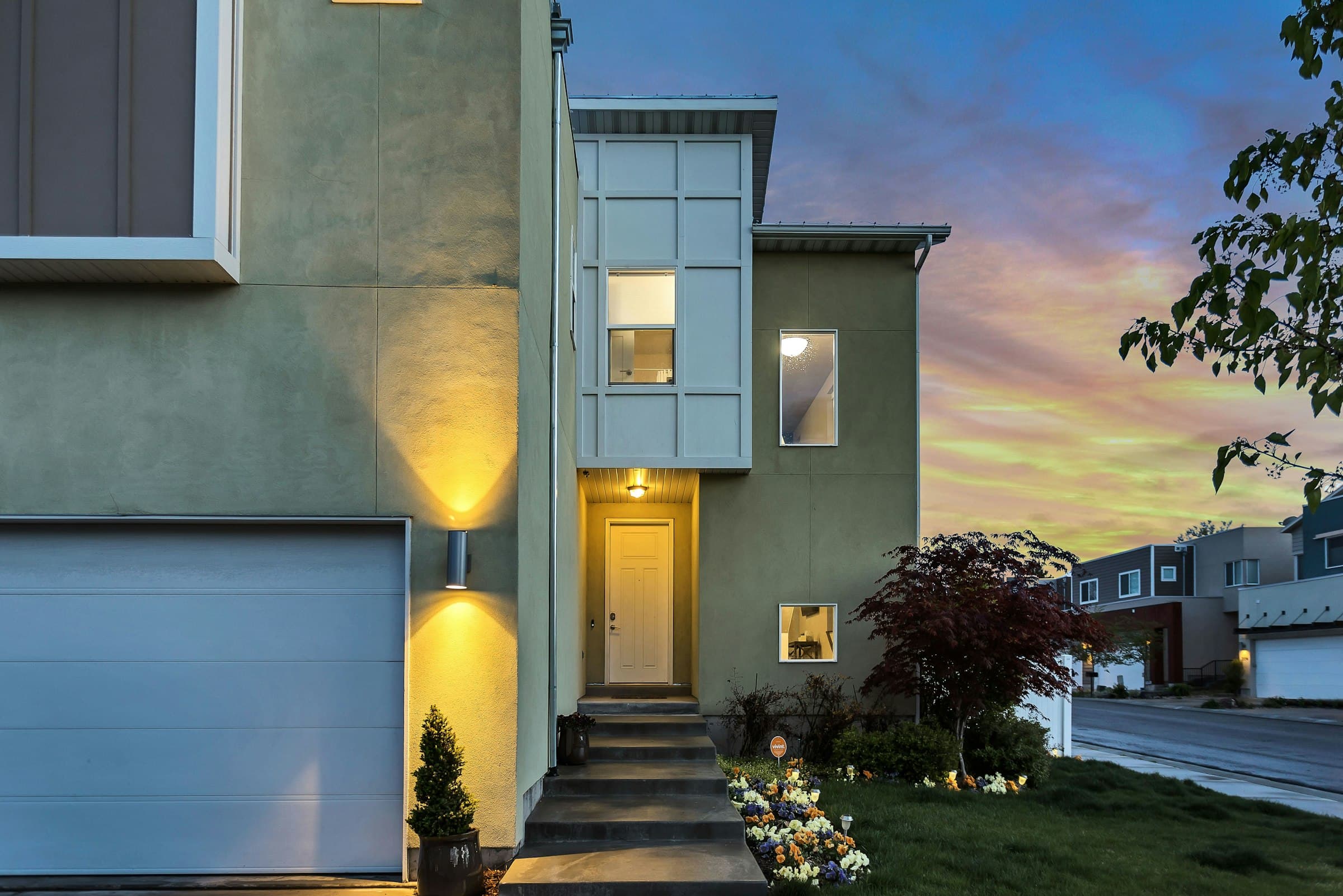
In the National Association of REALTORS® 2025 Profile of Home Buyers and Sellers, the typical seller had owned their home for a median of 11 years before selling, an all-time high for that survey[1]. From 2000 to 2008, sellers typically stayed about six years[2]. The survey covers owner-occupants who bought a primary residence; it leaves out investors and vacation homes[1].
Put an owner at 20 years against that and they’ve held nearly twice as long as the median seller. That makes them an outlier, and outliers are what an off-market list is for.
Equity is the other half. The U.S. Census Bureau reports that 39.4% of owner-occupied homes were owned free and clear in the 2020–2024 American Community Survey, up from 34.4% in 2010–2014, ranging from 29.0% in Maryland to 53.9% in West Virginia[3]. That figure covers all owner-occupants, not just long holds, and it excludes rentals. Still: a large share of owners carry no mortgage at all.
Why a long hold can mean motivation
- Equity changes the negotiation. An owner with a low basis or no loan can take a price below retail and still walk away with a real check. An owner who bought at the top three years ago usually can’t.
- Life stage. Twenty-plus years in can line up with retirement, downsizing, a move closer to family, a health change, or heirs who inherited a house they don’t live in. Those are timing events, and timing is what a cash buyer sells.
- Deferred maintenance. A house held for decades may still have its original roof, systems, kitchen and baths: work that can stall a retail sale and that you price into an as-is offer.
- Landlord fatigue. A long-held rental, especially one managed from out of town, is the classic tired landlord. The mortgage may be long gone; the tenant calls aren’t.
What a long hold doesn’t tell you
- That they want to sell. Plenty of 30-year owners plan to stay for good. An owner-occupied long hold is the weakest version of this signal.
- That they’re free and clear. Refinances, home equity lines and reverse mortgages all reset the debt. Unless you can see the loan, equity is an estimate.
- That the date is real. Many counties carry a conversion or placeholder date on older records, so large batches of parcels share one “last sale” date. A suspicious cluster of identical dates is a data artifact, not a neighborhood of 40-year owners.
- What they paid. In non-disclosure states such as Texas, sale prices often aren’t public, so you can’t compute equity from the record. Where public records allow, estimate it; where they don’t, leave it blank.
Rental or owner-occupied?
The same 25-year hold means two different things depending on who lives there. Tell them apart before you write a single letter:
- Mailing address matches the property and a homestead exemption is on file (where your state has one): the owner almost certainly lives there. This is someone’s home. Expect a slower, more personal conversation.
- Mailing address is elsewhere and there’s no homestead: likely a rental, a vacant house or an inherited one. This is an asset to its owner, and asset conversations move on numbers.
Both can sell. They just respond to different openings, so segment the list and write to each one differently.
Building a long-term owner list
- Start from the parcel roll. The absentee owner guide covers where it lives and how to get it. You need the last deed or sale date for each parcel.
- Compute years owned. Subtract the last transfer date from today. Drop placeholder dates before you trust the result.
- Set the threshold. 10+ years casts a wide net. 20+ narrows it to true long holds. Run both and compare the size of the lists.
- Cut to your buy box. Property type, value band, and nothing currently listed for sale.
- Check the owner. Individuals, estates and small family trusts in. Government, institutions and large portfolios out.
For reference, this is roughly how OffMarket’s owner runs work in its live markets, San Antonio and Indianapolis: screen county property records, keep homes whose owner gets mail at a different address and whose last recorded sale is at least ten years old, set aside institutional owners and anything listed for sale, then rank what’s left by motivation signals and underwrite each one. You can run the same screen by hand; it just takes longer.
Stack it with other signals
Tenure on its own is a long list. Each signal you stack on top narrows it to owners with a reason to talk:
- Long hold + absentee: the owner doesn’t live there and hasn’t sold in a long time. OffMarket’s owner runs start from exactly this pair.
- + Out-of-state mailing: managing from a distance.
- + Older housing stock: likelier deferred maintenance, likelier as-is buyer.
- + No homestead exemption, where your state has one.
Rank by how many stack, then underwrite the top of the list before anyone makes a call.
Making the call
Long-term owners aren’t distressed sellers, and distressed-seller scripts land badly. Lead with what matters to someone who’s owned for decades: certainty, a timeline they control, no repairs, no showings.
And know your MAO before you dial. When they ask what you’d pay, the answer should have ARV, rehab and a rule behind it, not a feeling. The 70% rule guide shows the math on a real unlisted house.
Follow-up: the long game
An owner who has held for decades rarely decides on the first letter. A “no” today often means “not yet”. The reasons a long hold ends, like a retirement, a move or an estate, arrive on their schedule, not yours.
Keep the record, note what they told you, and come back on a sensible cadence with the same honest number, updated for the market. The investor who was polite, specific and consistent is the one who gets the call when the timing finally turns.
Sources
- [1]National Association of REALTORS®, “First-Time Home Buyer Share Falls to Historic Low of 21%, Median Age Rises to 40”. Press release on the 2025 Profile of Home Buyers and Sellers, Nov 4, 2025. Survey of primary-residence buyers, transactions July 2024 to June 2025. Accessed Oct 5, 2026.
- [2]National Association of REALTORS®, “NAR 2025 Profile of Home Buyers, Sellers Reveals Market Extremes”. Realtor Magazine coverage of the same report. Accessed Oct 5, 2026.
- [3]U.S. Census Bureau, “Nearly 40% of U.S. Homeowners Did Not Have a Mortgage in 2024”. America Counts story, Jan 29, 2026. 2024 American Community Survey 5-year estimates. Accessed Oct 5, 2026.
Estimates, not financial or legal advice. Examples use OffMarket’s public San Antonio 78201 deal, generalized to ZIP level.